

Foto tomada por Sharrie Shaw
Hoteles en Banjarsari

Opciones de cancelación gratuita si cambias de planes

Acumula recompensas por cada noche de estancia

Ahorra más con los Precios para socios
Consulta precios para estas fechas
Esta noche
Mañana
Este fin de semana
El próximo fin de semana
Dónde hospedarse en Banjarsari


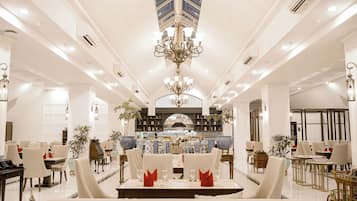
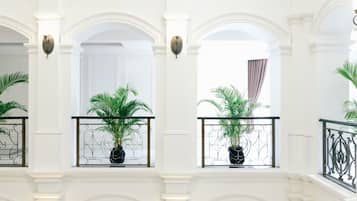
Mahalaya The Legacy Solo
Mahalaya The Legacy SoloBanjarsari
7.4 de 10, Bueno, (3 opiniones)
El precio actual es de COP 126.116
COP 152.600 en total
impuestos y cargos incluidos
10 may. - 11 may.
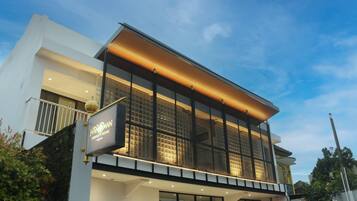
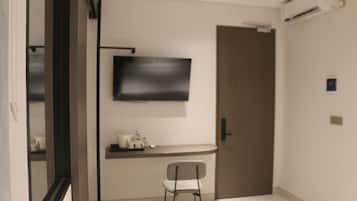
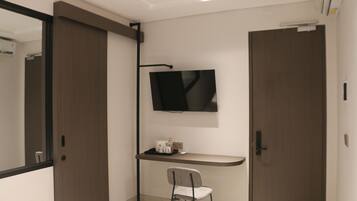

The Hanoman Serenity House by Sajiwa
The Hanoman Serenity House by SajiwaBanjarsari
El precio actual es de COP 62.228
COP 75.296 en total
impuestos y cargos incluidos
24 may. - 25 may.
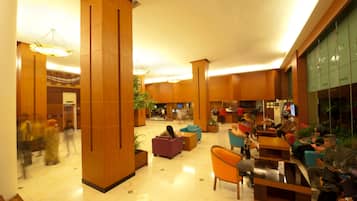
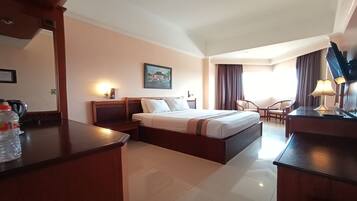


Hotel Asia
Hotel AsiaBanjarsari
6.0 de 10, (12 opiniones)
El precio actual es de COP 75.642
COP 91.527 en total
impuestos y cargos incluidos
30 may. - 31 may.
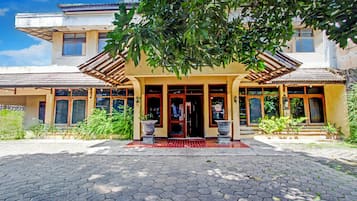


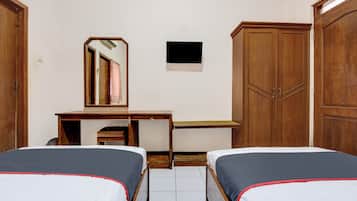
Hotel O Solo near Stasiun Solo Balapan formerly Hotel Trihadhi
Hotel O Solo near Stasiun Solo Balapan formerly Hotel TrihadhiBanjarsari
El precio actual es de COP 418.312
COP 506.158 en total
impuestos y cargos incluidos
14 may. - 15 may.
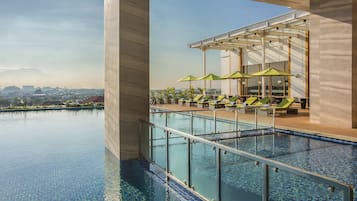


Swiss-Belhotel Solo
Swiss-Belhotel SoloBanjarsari
9.2 de 10, Magnífico, (39 opiniones)
El precio actual es de COP 144.508
COP 174.854 en total
impuestos y cargos incluidos
30 may. - 31 may.


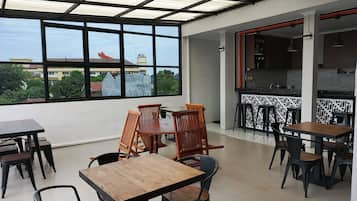

Wisma Anugrah
Wisma AnugrahBanjarsari
El precio actual es de COP 60.154
COP 72.786 en total
impuestos y cargos incluidos
24 may. - 25 may.
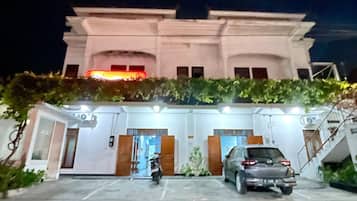

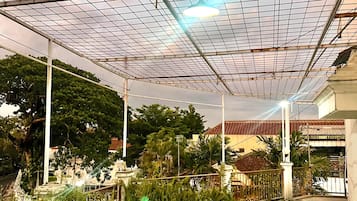
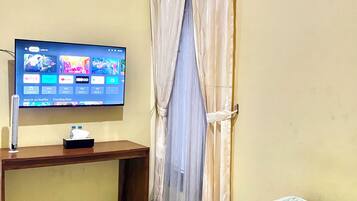
Telu Telu Solo
Telu Telu SoloBanjarsari
El precio actual es de COP 28.832
COP 34.886 en total
impuestos y cargos incluidos
4 may. - 5 may.


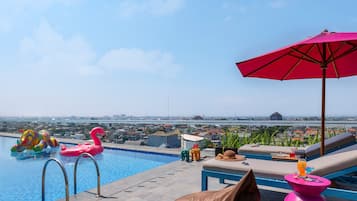
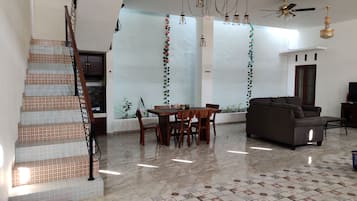
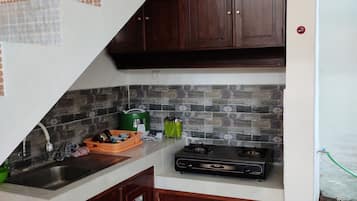
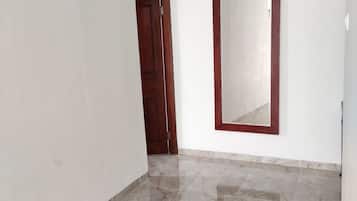

ZG Homestay Solo
ZG Homestay SoloBanjarsari
El precio actual es de COP 466.712
COP 564.721 en total
impuestos y cargos incluidos
24 may. - 25 may.
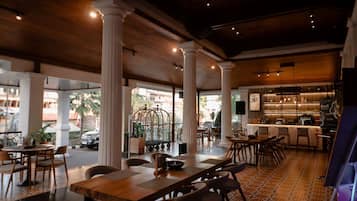
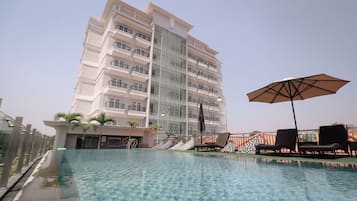
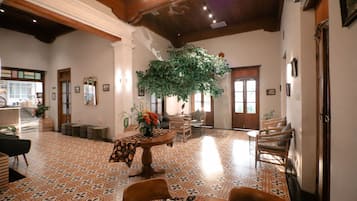
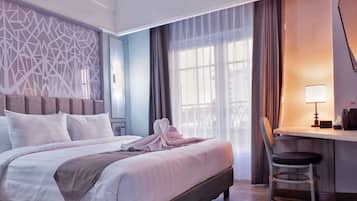
FIM by Zigna
FIM by ZignaBanjarsari
9.4 de 10, Excepcional, (6 opiniones)
El precio actual es de COP 96.454
COP 116.709 en total
impuestos y cargos incluidos
4 may. - 5 may.
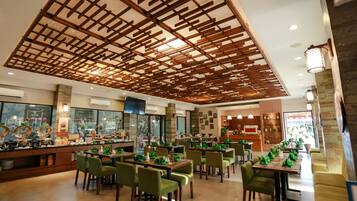

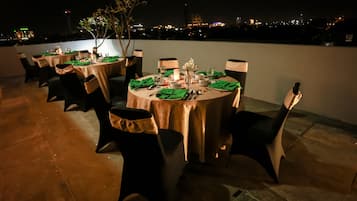
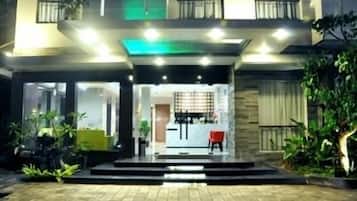
Loji Hotel Solo by Wstay
Loji Hotel Solo by WstayBanjarsari
7.2 de 10, Bueno, (17 opiniones)
El precio actual es de COP 56.005
COP 67.767 en total
impuestos y cargos incluidos
3 may. - 4 may.
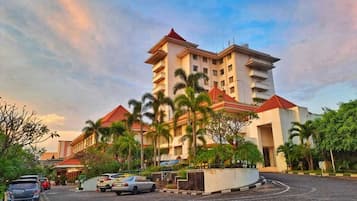


Sahid Jaya Hotel Solo
Sahid Jaya Hotel SoloBanjarsari
7.2 de 10, Bueno, (24 opiniones)
El precio actual es de COP 133.635
COP 161.698 en total
impuestos y cargos incluidos
4 may. - 5 may.


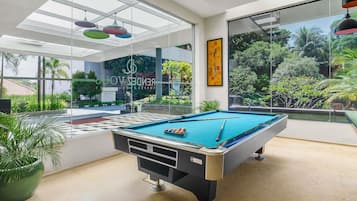
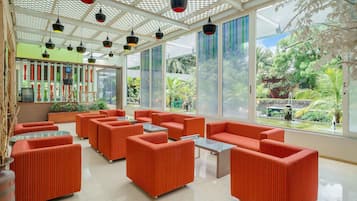
ibis Styles Solo
ibis Styles SoloBanjarsari
8.2 de 10, Muy bueno, (104 opiniones)
El precio actual es de COP 74.933
COP 90.669 en total
impuestos y cargos incluidos
24 may. - 25 may.
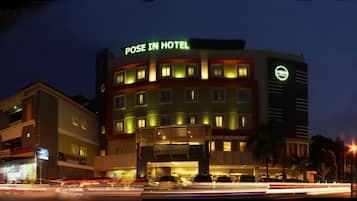
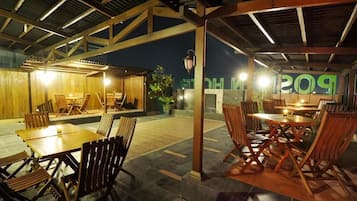


Pose in Solo by Wstay
Pose in Solo by WstayBanjarsari
6.8 de 10, (17 opiniones)
El precio actual es de COP 59.117
COP 71.531 en total
impuestos y cargos incluidos
3 may. - 4 may.


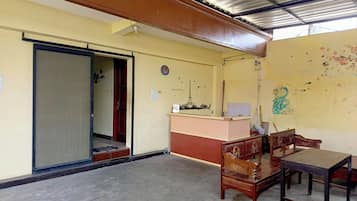

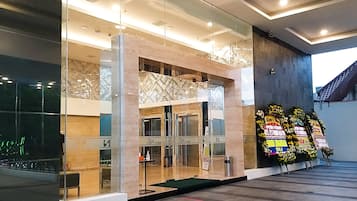


Zest Parang Raja Solo by Swiss-Belhotel International
Zest Parang Raja Solo by Swiss-Belhotel InternationalBanjarsari
7.4 de 10, Bueno, (3 opiniones)
El precio actual es de COP 56.654
COP 68.551 en total
impuestos y cargos incluidos
11 may. - 12 may.
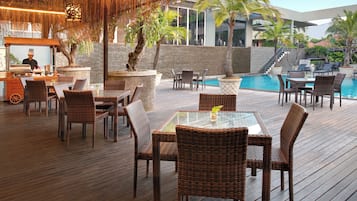
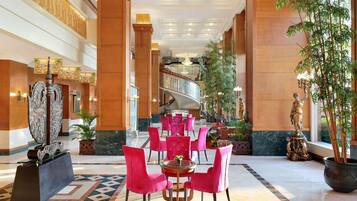


Novotel Solo
Novotel SoloBanjarsari
8.2 de 10, Muy bueno, (114 opiniones)
El precio actual es de COP 96.972
COP 117.337 en total
impuestos y cargos incluidos
15 may. - 16 may.

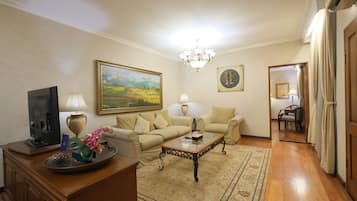
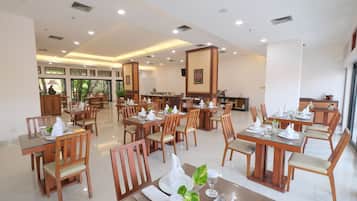
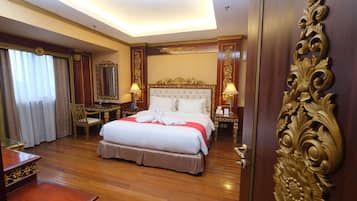
GRAND ORCHID HOTEL SOLO
GRAND ORCHID HOTEL SOLOBanjarsari
El precio actual es de COP 67.414
COP 81.571 en total
impuestos y cargos incluidos
19 may. - 20 may.


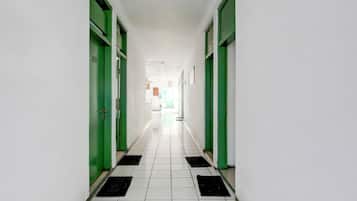

Hotel O Gurita
Hotel O GuritaBanjarsari
El precio actual es de COP 19.784
COP 24.928 en total
impuestos y cargos incluidos
19 may. - 20 may.




Comfort Centre Residence Solo
Comfort Centre Residence SoloBanjarsari
El precio actual es de COP 59.506
COP 72.002 en total
impuestos y cargos incluidos
4 may. - 5 may.
Precio por noche más bajo encontrado en las últimas 24 horas para una estadía de una noche para dos adultos. Los precios y la disponibilidad están sujetos a cambios. Es posible que se apliquen más términos y condiciones.
Compara hoteles destacados en Banjarsari
Propiedad | Categoría de la propiedad | Puntuación de los huéspedes | Desayuno incluido | Piscina | Spa | Acepta mascotas | Wifi incluido | |
|---|---|---|---|---|---|---|---|---|
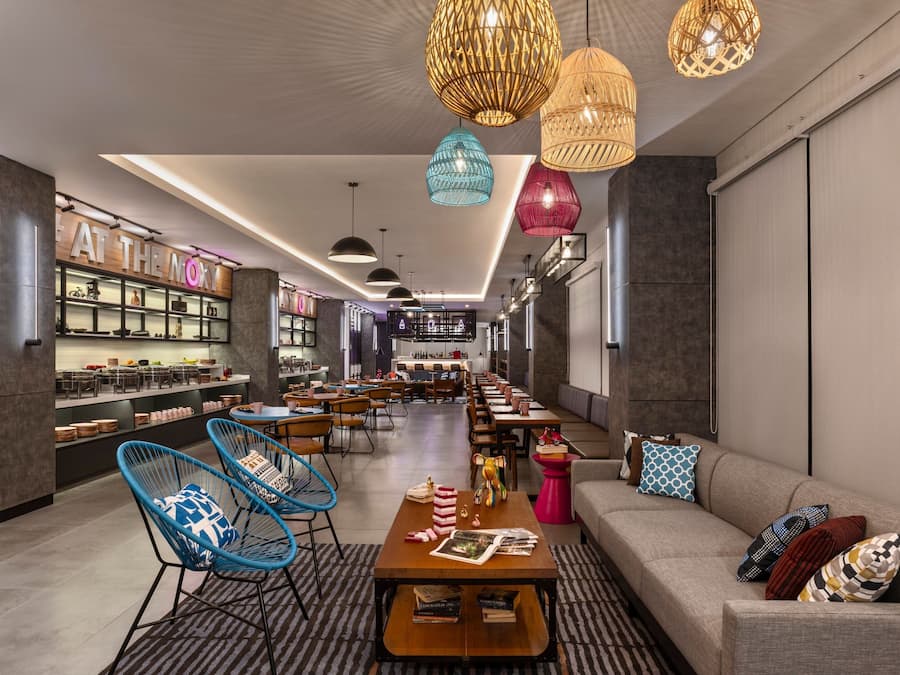 Moxy Solo | 9.2 Magnífico 7 opiniones | Ver | ||||||
 FIM by Zigna | 9.4 Excepcional 6 opiniones | Ver | ||||||
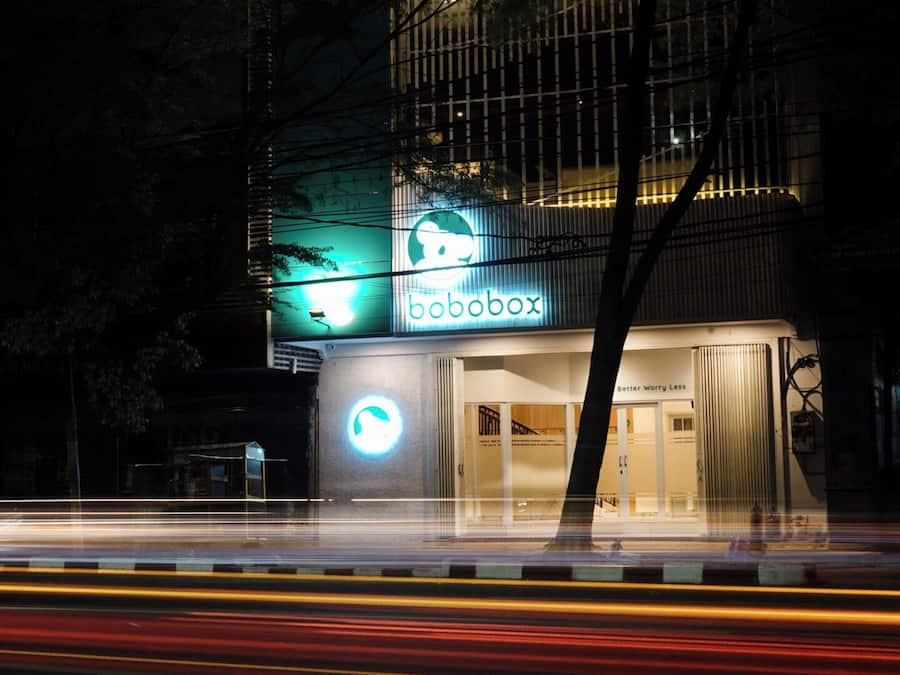 Bobopod Slamet Riyadi Solo | 10.0 Excepcional 1 opinión | Ver | ||||||
 Swiss-Belhotel Solo | 9.2 Magnífico 39 opiniones | Ver | ||||||
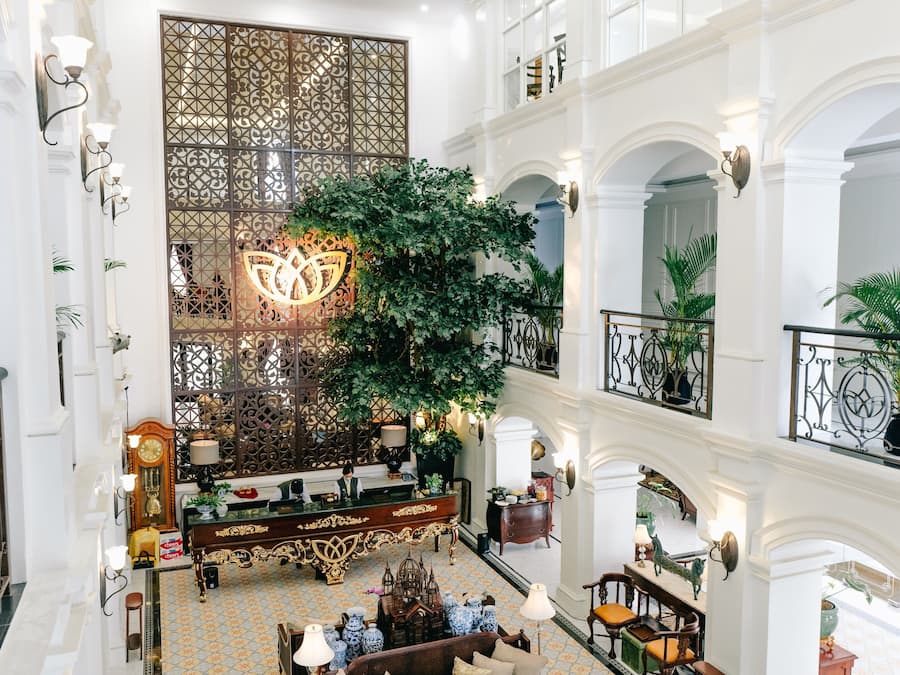 Mahalaya The Legacy Solo | 7.4 Bueno 3 opiniones | Ver |
Principales lugares de interés en Banjarsari
Lee las opiniones de los huéspedes sobre sus hoteles favoritos en Banjarsari
Preguntas frecuentes
Más información sobre Banjarsari